
Building an Offshore Surveillance and Well Monitoring System: A Comprehensive Guide for Engineers
Creating an offshore surveillance and well-monitoring system is crucial for ensuring safety, regulatory compliance, and environmental protection in marine operations. This guide provides engineers with detailed insights into the essential components, installation steps, and technology considerations needed to develop an effective and robust system.
Key Components of the System
1. CCTV Cameras
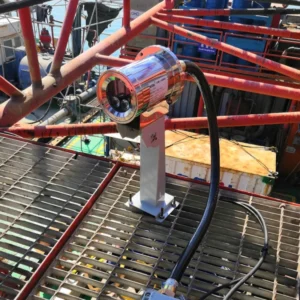
When selecting CCTV cameras for offshore environments, choosing a marine-grade PTZ (pan-tilt-zoom) camera with night vision capabilities is essential. Here are the specifications you should consider:
- Resolution: Aim for a minimum of 1080p for precise imaging, ensuring that you can capture detailed visuals even in low-light conditions. 4K is recommended.
- Weatherproof Rating: Look for cameras with an IP66 rating or higher, which indicates they can withstand harsh marine conditions, including saltwater exposure and heavy rain.
- Hazard Certification: It’s vital that the cameras or housing are certified for hazardous locations (e.g., ATEX or IECEx) to ensure safety in potentially explosive atmospheres
2. Oil Spill Sensors
Finding oil spills early is essential for a quick response and reducing environmental harm. You must use different types of sensors.
- Optical Sensors: These sensors detect oil on water surfaces using light reflection, providing quick alerts.
- Ultrasonic Sensors: They identify changes in water density that may indicate a spill.
- Chemical Sensors: These analyse water samples for hydrocarbon levels, ensuring comprehensive monitoring.
For a holistic approach, ensure that these sensors can integrate seamlessly with your CCTV and other monitoring systems.
3. Radar Systems
Radar systems play a critical role in enhancing your monitoring capabilities. They can detect changes in water conditions that may signal a spill. Consider the following benefits:
- All-Weather Capability: Radar systems are effective under varying weather conditions, providing reliable monitoring.
- Wide Coverage: They can monitor extensive areas efficiently, ensuring that no potential spill goes unnoticed.
- Integration: Radar data can complement existing CCTV and sensor information, creating a multi-layered surveillance approach.
4. Thermal Cameras
Thermal cameras are highly beneficial for offshore surveillance systems. They provide an additional layer of detection capabilities, particularly useful for identifying heat signatures associated with equipment malfunctions, unauthorised personnel, or environmental hazards.
Technical Specifications
- Resolution: Minimum thermal resolution of 640×480 pixels.
- Frame Rate: A frame rate of 30 Hz or higher for smooth video capture.
- Temperature Range: Ability to operate in a wide temperature range, typically from -40°C to +70°C.
- Sensitivity: Thermal sensitivity of at least 50 mK for detecting minute temperature differences.
Housing Type
Given the harsh marine environment, thermal cameras require robust housing.
- Material: Housing should be made from marine-grade aluminium or stainless steel to resist corrosion and withstand the elements.
- Weatherproof Rating: Ensure the housing has an IP66 rating or higher for protection against water and dust ingress.
- Explosion-Proof Certification: The thermal camera housing must be certified for hazardous locations (e.g., ATEX or IECEx) to ensure safe operation in potentially explosive environments.
5. Data Storage and Servers
To manage the data collected from your surveillance and monitoring systems, invest in rugged, marine-rated servers. Key specifications include:
- Storage Capacity: Aim for at least 1TB, ideally using a RAID configuration for redundancy to protect against data loss.
- Backup Solutions: Implement cloud storage for remote access and backup, ensuring data security.
- Hazard Certification: Confirm that the servers are rated for the environmental conditions they will encounter offshore.
6. Network Equipment
Reliable network equipment is crucial for smooth operation. Here are the components to consider:
- Network Switch: Choose industrial-grade switches that can withstand harsh marine environments.
- Router: Select a router with VPN support for secure data transmission.
- Hazard Certification: Ensure that all network equipment meets environmental resistance standards.
7. Explosion-Proof Housing
Given the potential for explosive atmospheres in offshore environments, using explosion-proof housing for all critical electronic equipment (including cameras, sensors, and servers) is essential.
- Material: Typically made from aluminium or stainless steel, designed to withstand high pressures and corrosion.
- Certification: Ensure the housing meets relevant standards (e.g., ATEX or IECEx) for hazardous locations.
8. Power Supply
Reliable power supply options are critical for ensuring continuous operation.
- Solar Panels: Ideal for remote installations; ensure they are of marine-grade quality.
- Backup generators: necessary for providing consistent power supply in case of solar deficiencies.
- Hazard Certification: Confirm that all electrical components comply with safety standards.
9. Installation Accessories
Don’t overlook the importance of quality installation accessories:
- Mounts and brackets: Use stainless steel mounts to prevent corrosion and ensure durability.
- Cables: Opt for marine-grade cables with appropriate insulation to withstand harsh conditions.
- Conduits: Use weather-resistant conduits to protect wiring from the elements.
Installation Steps
Step 1: Planning
Start with a thorough site survey to assess the offshore location. Identify optimal placements for cameras and sensors, and create a schematic layout that includes camera angles and network topology.
Step 2: Equipment Setup
- Mounting Cameras: Securely mount cameras in explosion-proof housings on platforms or poles that provide a clear line of sight.
- Installing Sensors: Strategically place sensors to maximise coverage of critical areas.
Step 3: Networking
- Connecting Devices: Use industrial-grade cables to connect cameras, sensors, and servers to the network switch.
- Configuring Network: Set up the router and configure a VPN to ensure secure remote access.
Step 4: Powering the System
- Solar Setup: Install solar panels and connect them to the power system.
- Backup Solutions: Ensure that generators are in place and tested for reliability.
Step 5: Testing and Calibration
- System Testing: Verify the functionality of all cameras and sensors, adjusting angles and sensitivity as needed.
- Data Backup: Check that data storage systems are operational and that backups are in place.
Safety and Hazard Certifications
Safety is paramount in offshore operations. Ensure that your system adheres to the following certifications:
- ATEX Certification: Verify that all electrical equipment, including explosion-proof housing, is certified for use in explosive atmospheres.
- IECEx Certification: This is important for compliance in international operations.
- ISO Standards: adhere to ISO 9001 for quality management and ISO 14001 for environmental management.
Recommended Products and Companies
Here are some trusted companies and their notable products:
- InterOcean Systems
- Slick Sleuth: An optical oil-on-water detection system designed for early spill warning.
- Rig Guard: A ruggedised system for continuous remote monitoring of offshore platforms.
- Boom Guard: A smart boom technology that provides real-time monitoring of potential oil spills.
- Miros
- Oil Spill Detection System (OSD): Utilises marine radar and infrared cameras for accurate spill detection and characterisation.
Conclusion
Building offshore surveillance and well-monitoring systems is a complex yet rewarding endeavour that enhances safety and operational efficiency. By carefully selecting components, adhering to safety standards, and following a structured installation process, engineers can create a reliable system that protects marine ecosystems and ensures compliance with environmental regulations. The integration of advanced technologies, such as oil spill sensors, radar, thermal cameras, and explosion-proof housing, significantly improves the effectiveness of monitoring efforts in offshore environments